International Symposium on Global Tectonics and Resource–Environmental Effects Successfully Held in Wuhan
Recently, the International Symposium on Global Tectonics and Resource–Environmental Effects, hosted by the Global Tectonics Center of China University of Geosciences (Wuhan), was successfully convened in Wuhan. Focusing on frontier scientific topics such as deep-time geodynamics, tectonic evolution, metallogenesis, and resource–environmental effects, the symposium brought together renowned experts and scholars from universities and research institutions worldwide. Through plenary lectures, thematic discussions, and an academic committee meeting, participants systematically exchanged the latest research progress and jointly explored future directions in the discipline.
The symposium was chaired by Professor Yuanbao Wu, Dean of the School of Earth Sciences and Planetary Sciences, who delivered the welcome address. Professor Wu warmly greeted all attendees and emphasized the fundamental role of global tectonics research in understanding deep-time Earth evolution and in supporting national strategic demands related to resources and environmental sustainability. He expressed his hope that the symposium would further strengthen domestic and international academic exchange and collaboration.
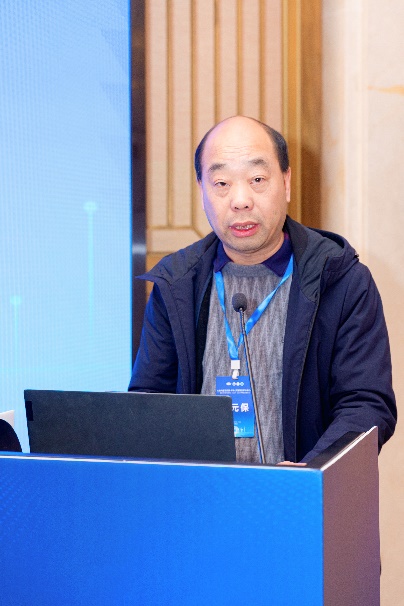
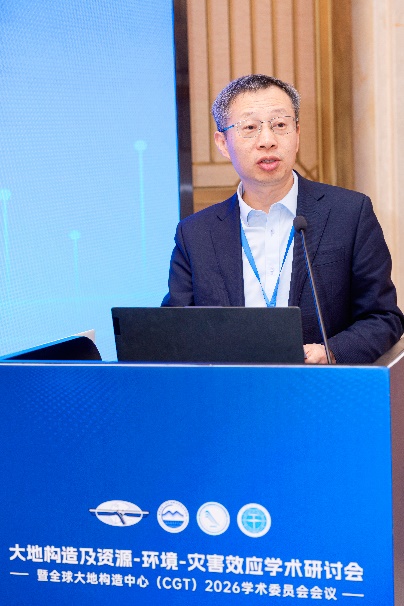
Prof. Yuanbao Wu Prof. Junfeng Zhang
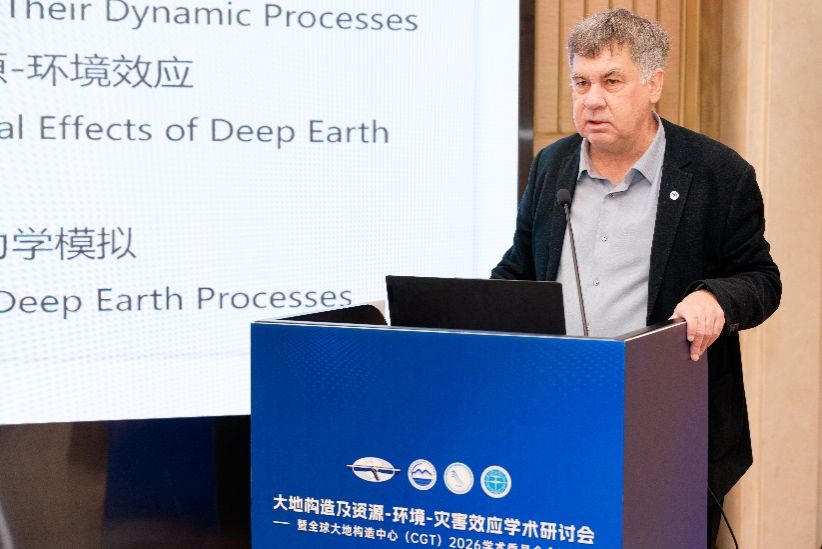
Prof. Timothy Kusky
Professor Junfeng Zhang, Vice President of China University of Geosciences (Wuhan), delivered the opening remarks on behalf of the university and read a congratulatory letter from Academician Sierd Cloetingh. Professor Zhang highlighted that global tectonics and Earth system science represent key frontiers in contemporary geoscience research. He reaffirmed the university’s continued support for platform development and international cooperation to promote high-quality disciplinary advancement.
Subsequently, Academician Professor Timothy Kusky, Director of the Center, introduced the background, research focus, and development goals of the Global Tectonics Center at China University of Geosciences (Wuhan). He outlined the Center’s overall framework in Precambrian tectonic evolution, the origin of plate tectonics, and global comparative tectonic studies.
Prof. Changdong Li Prof. Lu Wang
Plenary Presentations Highlight Cutting-Edge Advances
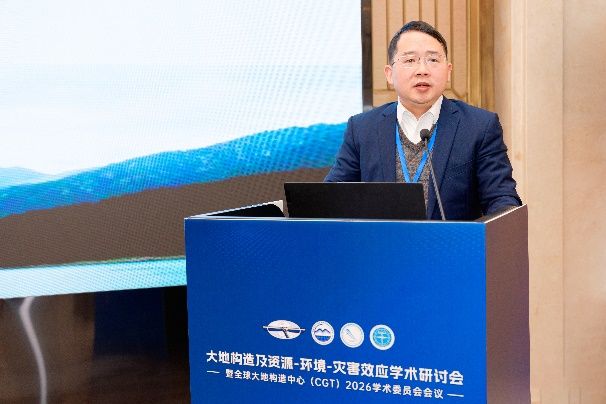
During the plenary session, Professor Changdong Li presented the latest achievements of the Badong National Field Scientific Observation and Research Station in geological hazard studies. His talk emphasized the formation mechanisms and monitoring advances for landslides and collapses in structurally complex regions.
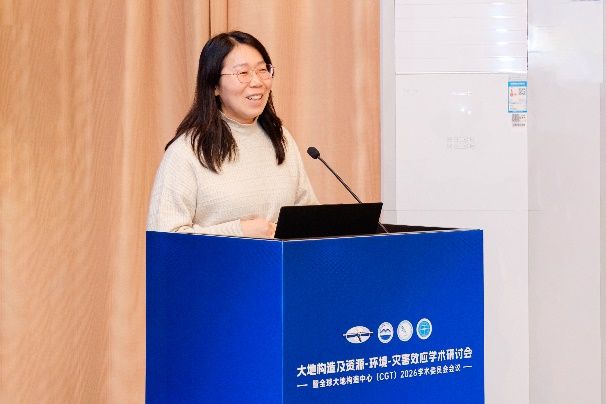
Professor Lu Wang delivered a comprehensive presentation on the evolution of the Archean basement of the North China Craton and its implications for chromite resources. She systematically discussed early continental crust formation processes and their constraints on strategic mineralization.
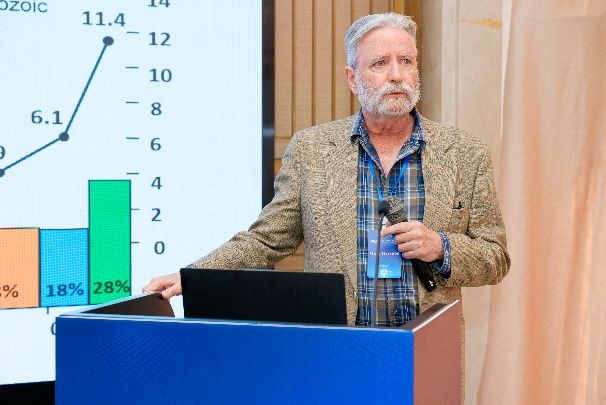
Internationally renowned Academician Professor Mark Harrison (University of California, Los Angeles) gave a keynote lecture entitled “How Zircons Record Surface Environments 4.3 Billion Years Ago”, demonstrating the unique value of zircon geochronology and isotope studies in reconstructing Hadean surface conditions.
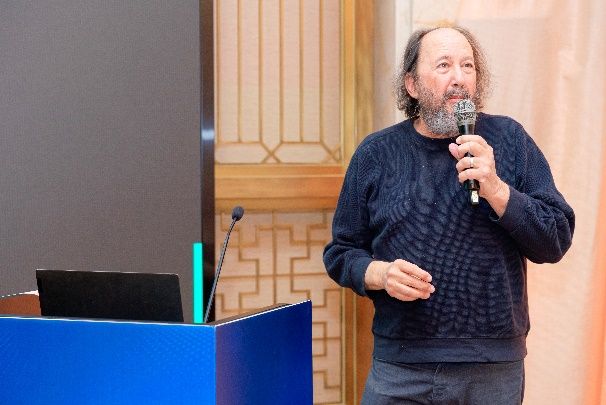
Professor Richard Goldfarb discussed global ore deposits, focusing on the spatiotemporal controls of mineral deposit formation, and distinguished substantive scientific advances from long-standing empirical understanding.
Prof. Mark Harrison Prof. Richard Goldfarb
Researcher Lijun Liu (Institute of Geology and Geophysics, Chinese Academy of Sciences) proposed the concept of “mantle wind” as a new mechanism driving plate tectonics, offering a novel dynamic framework for plate motion.
Researcher Tao Wang (Chinese Academy of Geological Sciences) presented a report entitled “Digital Petrotectonics”, highlighting the promising applications of digital technologies in lithospheric tectonic research.
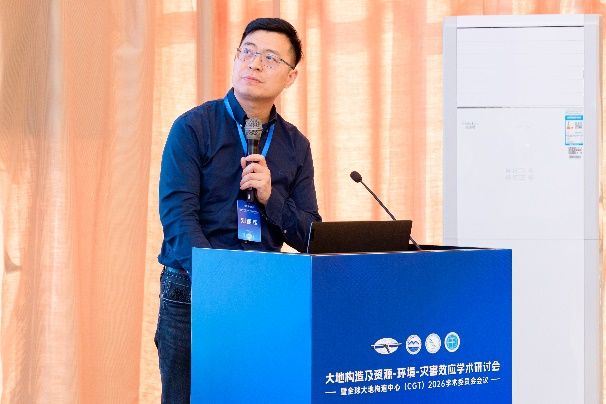
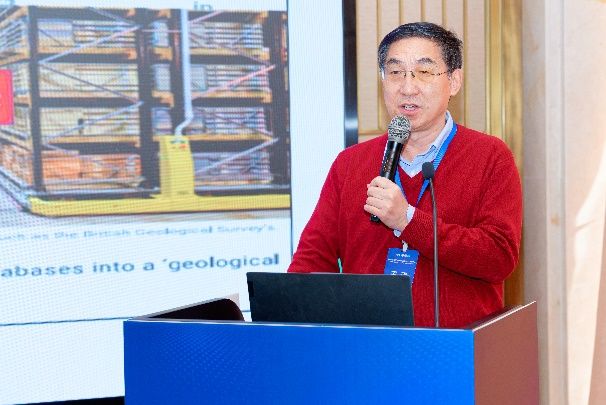
Researcher Lijun Liu Researcher Tao Wang
Academician Yongfei Zheng (University of Science and Technology of China) reviewed the formation and evolution of intracontinental orogenic belts from an Earth system science perspective, emphasizing their deep dynamic background.
Professor Shaofeng Liu (China University of Geosciences, Beijing) discussed how compositional variations in subducted sediments influence subduction styles and deep carbon cycling pathways, revealing the critical role of subduction in the global carbon cycle.
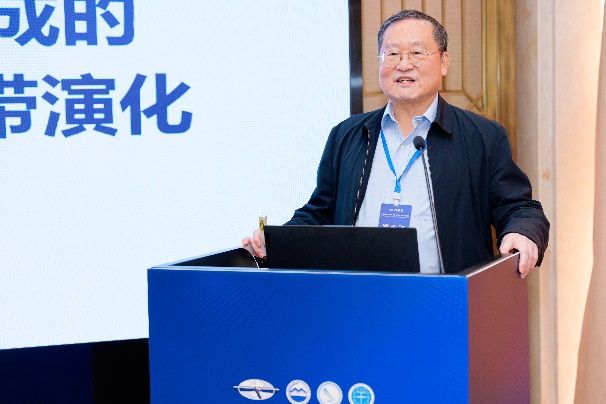
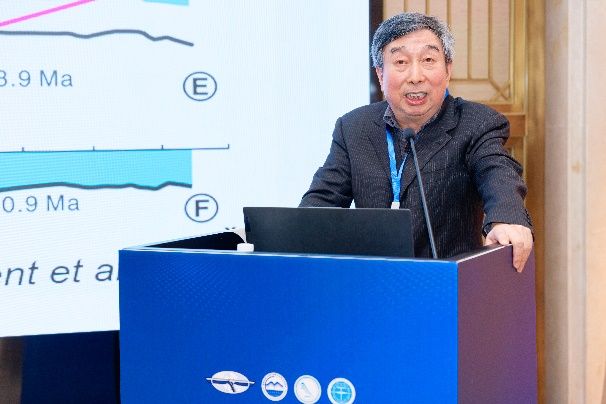
Academician Yongfei Zheng Prof. Shaofeng Liu
Professor Mian Liu (Southern University of Science and Technology) explored convective instabilities within the lithosphere through numerical modeling, providing new insights into lithospheric dynamic evolution.
Professor Rendeng Shi (Nanjing University) analyzed crust–mantle structural characteristics using ophiolite examples, highlighting their implications for chromite exploration.
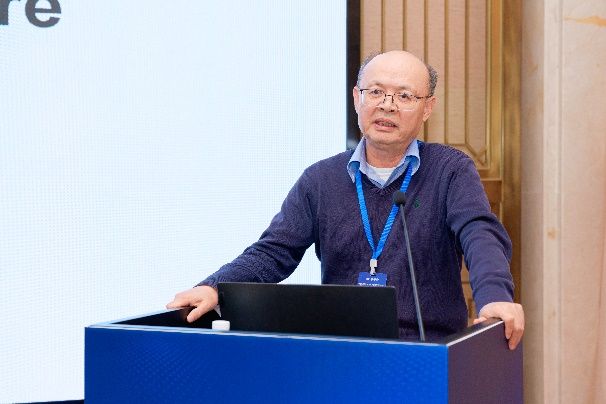
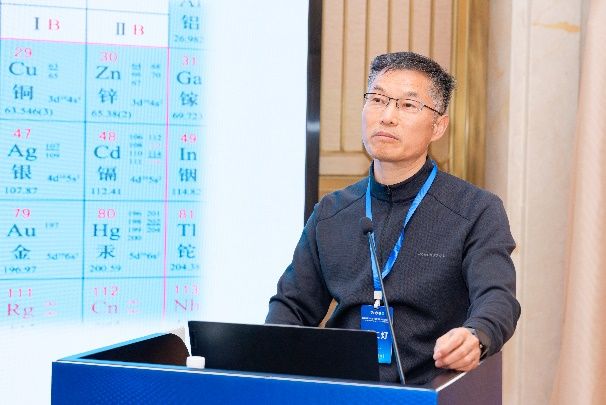
Prof. Mian Liu Prof. Rendeng Shi
Academic Committee Meeting Sets Future Development Priorities
An academic committee meeting of the Global Tectonics Center was held concurrently. Committee members reviewed the Center’s progress since its establishment in scientific research, talent cultivation, and international collaboration, and engaged in in-depth discussions on future priorities. Experts agreed that systematic research should be further strengthened in Precambrian tectonic evolution, the coupling of orogeny and metallogenesis, deep Earth processes, and their resource–environmental impacts, in order to enhance the Center’s academic influence and global cooperation.
Promoting Exchange and Interdisciplinary Integration
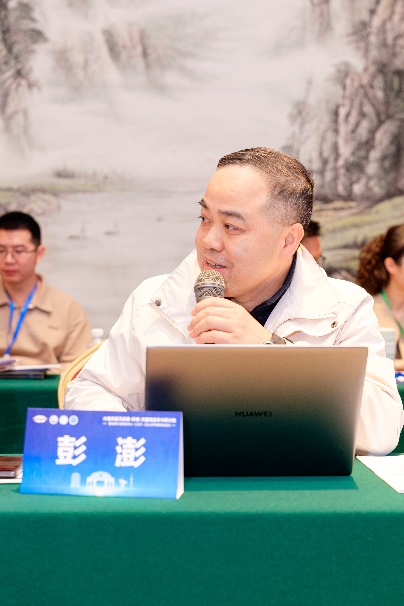
During the discussion session, participants exchanged views on topics such as tectonic evolution and resource effects, as well as the relationship between fundamental geological research and national strategic needs. Lecturer Peng Peng stressed the foundational importance of field geological investigations and tectonic background analysis in resource studies. Professors Goldfarb, Harrison, and Kusky shared the latest international perspectives on tectonic–metallogenic relationships and early plate tectonic models.
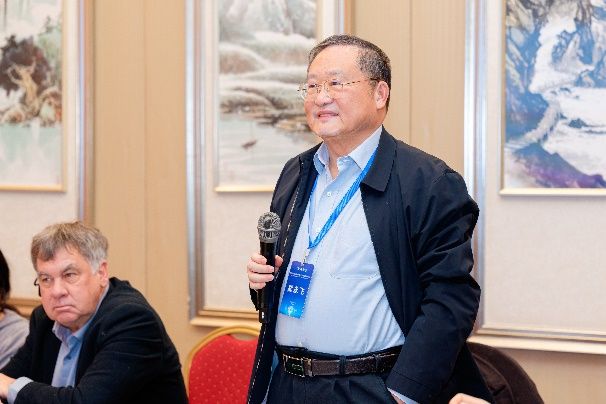
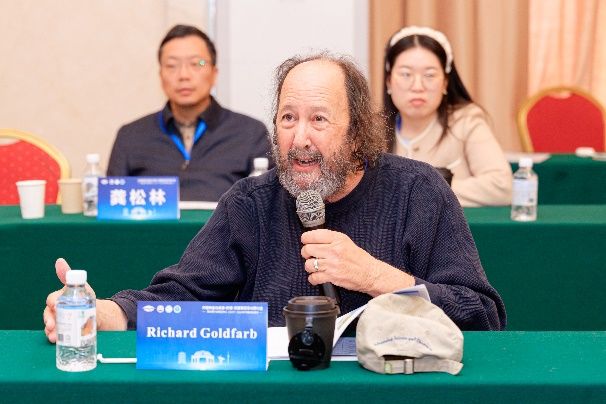
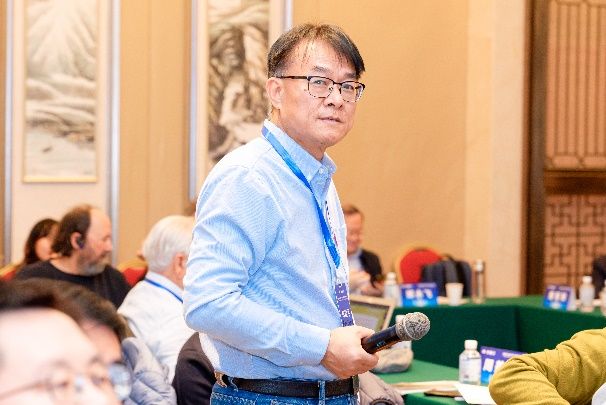
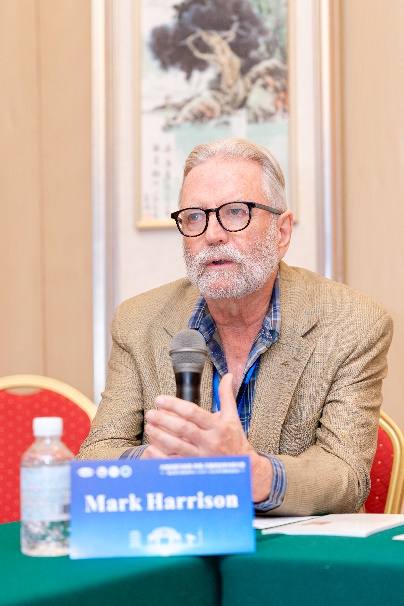
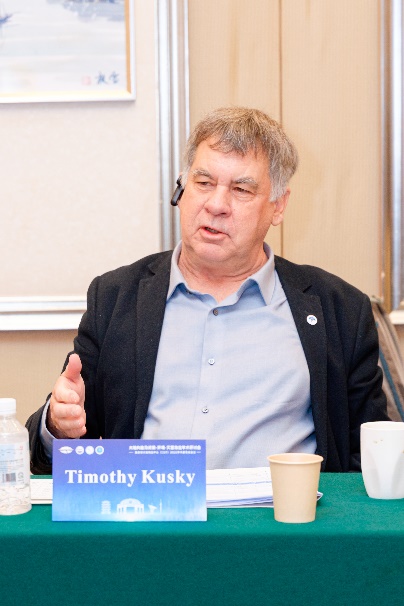
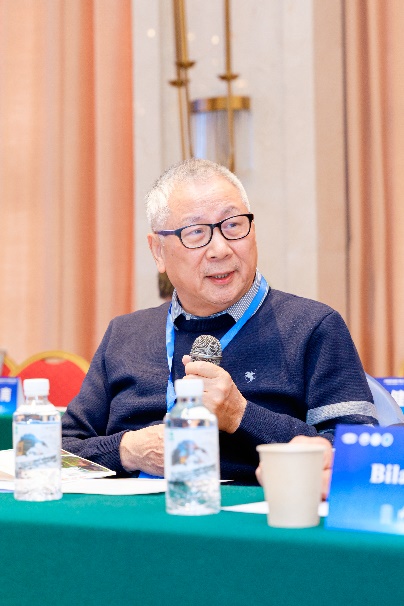
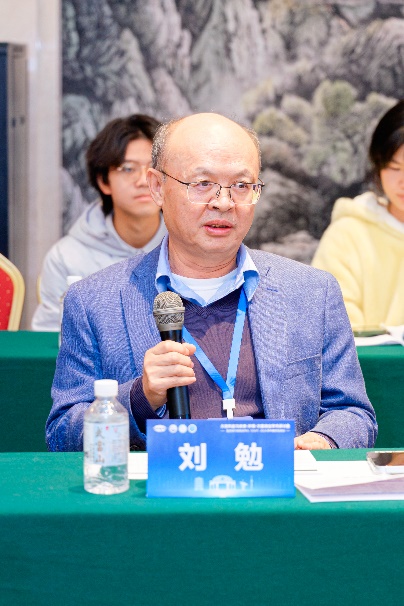
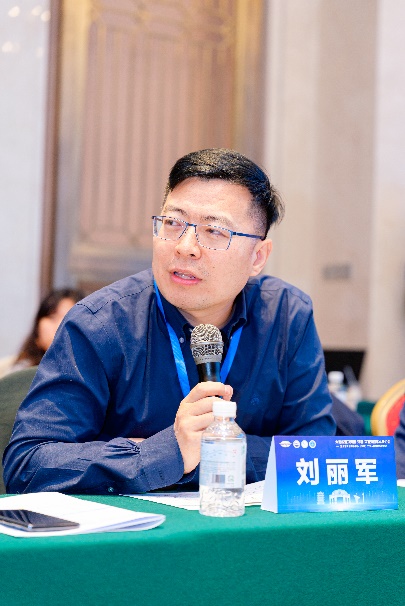
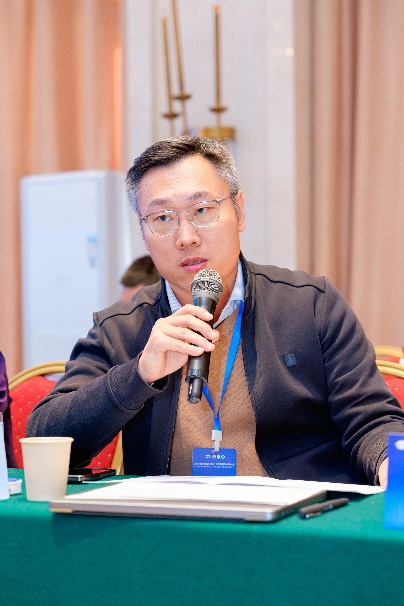
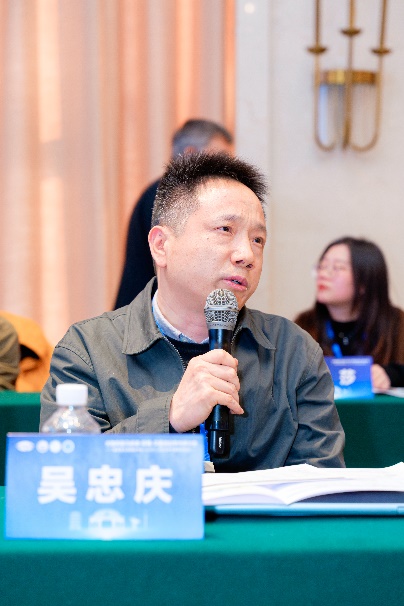
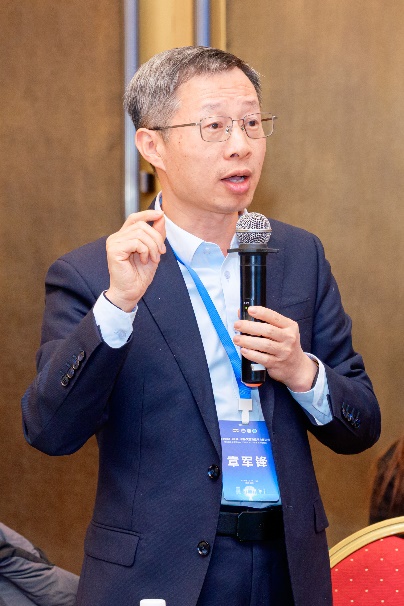
Photos of the meeting discussion
Experts including Prof. Meifu Zhou, Mian Liu, Lijun Liu, Jian Zhang, and Zhongqing Wu discussed multi-scale tectonic process identification, deep Earth constraints, and their applications in mineral exploration. Participants widely agreed that strengthening interdisciplinary integration is essential for driving innovation in tectonics and related fields.
Building Consensus for High-Quality Development
The symposium provided a high-level academic platform for research on global tectonics and resource–environmental effects. It holds significant importance in advancing theoretical understanding, promoting international collaboration, and serving major national demands. Participants noted that this symposium will serve as a new starting point for enhanced collaborative innovation, continuously promote global tectonics and Earth system science research toward higher levels.
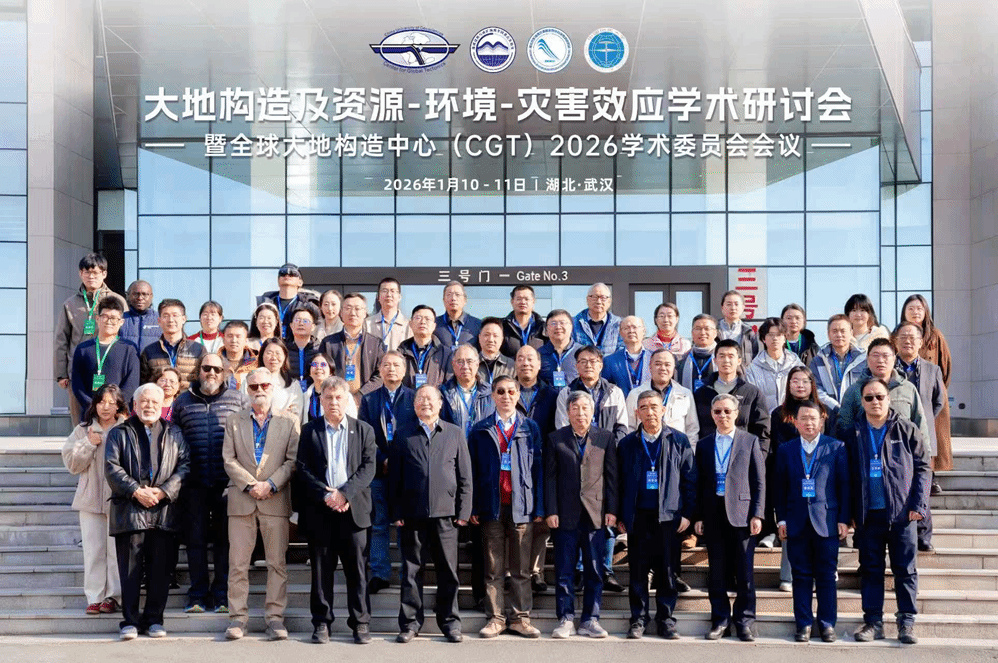
Group photo of the participants